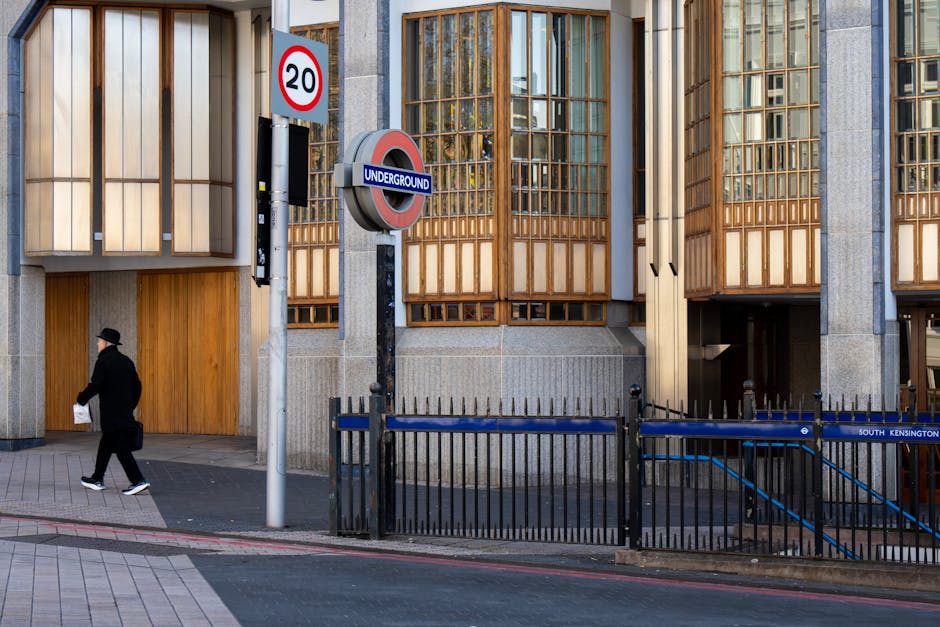
Kensington Conservation Area Cleaning Permit Guide
If you are planning a deep clean, exterior wash, jet wash, or even a specialist building clean in Kensington, the permit question can catch people out. The rules around conservation areas are not there to make life awkward; they exist to protect the streetscape, preserve historic character, and keep work safe and considerate. This Kensington conservation area cleaning permit guide breaks down what usually matters, what to check before work starts, and how to avoid the kind of last-minute delays that turn a simple job into a headache. To be fair, that happens more often than people admit.
Whether you are a homeowner, landlord, facilities manager, or arranging works for a commercial property, the same basic question comes up: do I need permission, and if so, what kind? In Kensington, the answer depends on the type of cleaning, the access method, the equipment used, and whether the work affects the public realm. Below, you will find a clear, practical explanation with checklists, common mistakes, and a realistic step-by-step process you can use straight away.
Why Kensington conservation area cleaning permit guide Matters
Kensington has a lot of protected streets, traditional facades, railings, masonry, and carefully managed frontages. That means cleaning is not always as simple as turning up with a pressure washer and getting on with it. In conservation areas, the way a clean is carried out can matter just as much as the result. Overspray on stonework, blocked pavements, noisy equipment, or unplanned skips and access barriers can all create issues.
This matters because even a routine cleaning job may affect public access, neighbouring properties, heritage features, or controlled work zones. A permit may be needed where equipment, scaffolding, parked vans, or cleaning activity encroach on the highway or require special access. Sometimes the permission needed is straightforward. Other times, it is wrapped up with licensing, parking controls, or temporary traffic management. Not glamorous, I know. But it saves a lot of grief.
For anyone arranging cleaning in Kensington, the big risk is assuming all cleaning is low-impact. In reality, a small terrace washdown can be more sensitive than a larger interior job if it affects shared access, listed detailing, or the public pavement. That is why a proper permit check is part of the job, not an afterthought.
If your project also includes carpets, upholstery, rugs, or stain treatment indoors, it can be useful to keep the whole process tidy and documented. For example, businesses often combine site cleaning with commercial carpet cleaning or upholstery cleaning so the property is dealt with in one coordinated visit rather than several loose appointments.
How Kensington conservation area cleaning permit guide Works
The permit process is usually about asking three questions: where is the work taking place, what method will you use, and what impact will it have outside the property boundary? If the cleaning stays fully inside a private building and does not affect neighbours or the highway, permits are less likely to be needed. If ladders, scaffolds, water-fed poles, waste containers, or access equipment enter shared or public space, the picture changes quickly.
In practical terms, the person arranging the job should confirm whether any of the following are involved:
- use of the pavement, road, or communal access area
- temporary parking or loading restrictions
- scaffolding, towers, or elevated access
- water discharge, run-off, or waste water management
- noise, dust, or chemical use that could affect neighbours
- work on delicate surfaces such as brick, stone, render, or heritage fixtures
That is the basic logic behind the guide. The permit itself is not always the same from one property to the next, and that is where many people trip up. A cleaner might be perfectly capable, but the work still needs to be planned around local restrictions. If you are booking a company, make sure they know how to work within those conditions and have proper health and safety procedures in place.
One useful way to think about it: the cleaning method is only one part of the job. Access, protection, compliance, and reinstatement matter too.
Key Benefits and Practical Advantages
Getting the permit side right does more than keep you compliant. It usually makes the whole job cleaner, faster, and calmer. That sounds a bit obvious, but it is true. When access, timing, and permissions are sorted early, the team can focus on the actual cleaning rather than hunting for a space to park or negotiating with a neighbour who was never warned.
- Fewer delays: No surprise stoppages while someone checks whether equipment can stay in place.
- Better protection of heritage features: Conservation-area properties often need gentler methods and more careful masking.
- Lower risk of complaints: Good notice, tidy working, and controlled noise help keep neighbours onside.
- Less damage risk: Proper permissions often go hand in hand with proper planning.
- Cleaner handover: The property can be returned in one piece, without stray equipment or avoidable mess.
There is also a commercial benefit. If you manage a rental property, showroom, clinic, or office, delays cost money. A permit checked in advance helps protect your schedule. And if the job includes soft furnishings or deep-cleaned interiors, pairing it with carpet cleaning, sofa cleaning, or rug cleaning can be a smart way to reduce repeat disruption.
Expert takeaway: in conservation areas, the "best" cleaning job is not just the one that looks good at the end. It is the one that leaves no compliance mess behind.
Who This Is For and When It Makes Sense
This guide is for anyone arranging cleaning in Kensington where exterior access, protected surfaces, or shared spaces may be involved. That includes private homeowners, managing agents, landlords, hospitality venues, retailers, offices, and contractors coordinating a larger maintenance schedule.
You are especially likely to need to think about permits if the work includes:
- external facade cleaning
- stone, brick, or render washing
- graffiti removal
- pavement or forecourt cleaning with equipment outside the boundary
- skip placement or temporary loading bays
- access equipment that overhangs or occupies public space
For interior-only work, the permit question may be simpler, but it should not be ignored completely. Shared access blocks, common hallways, building management rules, and noise-sensitive neighbours can still shape the booking. A flat in a converted period building is very different from a detached house with a private driveway. Same postcode, different story.
It also makes sense to consider this guide when planning special treatment jobs that follow a clean-up after spills, pet accidents, or long-term staining. Interior cleaning does not usually need a permit, but if you are handling the whole property and there is also exterior access work, it is worth checking everything in one go. In that context, services like pet stain odour removal, stain removal, or mattress cleaning can be part of a broader reset.
Step-by-Step Guidance
Here is a practical way to work through the permit question without overcomplicating it.
- Identify the exact cleaning scope. Is it interior-only, exterior-only, or both? Write it down in plain language.
- Map the access route. Where will the team park, unload, and place equipment? Do they need the pavement, a shared driveway, or a bay?
- Check whether the property is in a conservation area or has listed features. If yes, assume the surface and access arrangements deserve extra care.
- Decide on the cleaning method. Steam, low-pressure wash, hand-cleaning, chemical treatment, or dry methods all have different implications.
- Review building and neighbour constraints. This includes time restrictions, noise sensitivity, and any management company rules.
- Confirm whether permissions are needed. If any part of the work touches the highway or public-facing infrastructure, ask early rather than later.
- Gather evidence and notes. Keep photos, dates, contact details, and the job description in one place. Old-fashioned, maybe, but very useful.
- Book the work with clear instructions. Make sure the cleaning team understands the permitted area, access window, and finish expectations.
- Protect surfaces and nearby areas. Covering, warning signage, and careful set-up can prevent avoidable marks and splashes.
- Check the finish and reinstate the area. Remove waste, clean up water, and confirm the frontage looks presentable afterwards.
A small but important detail: do not leave permit checking until the week of the job if you can avoid it. In busy parts of Kensington, schedules can shift quickly, and access windows can be tighter than people expect.
If you are arranging a more involved cleaning package, it can help to ask for a written quote and job scope first. The team's approach to documentation matters, especially where compliance, access, and security are part of the plan. You can review the basics through the company's pricing and quotes information and their insurance and safety details before you commit.
Expert Tips for Better Results
In our experience, the best outcomes come from treating the permit question as part of a wider site plan. Here are a few practical habits that make a real difference.
- Use the gentlest method that still does the job. Older masonry and decorative finishes often respond better to controlled cleaning than aggressive wash methods.
- Protect nearby details. Window frames, plantings, decorative stone, and threshold areas can all be easily marked if nobody bothers to shield them.
- Schedule around neighbours. Mid-morning often works better than early starts in residential streets. Not always, but often.
- Ask for proof of insurance and method awareness. A sensible contractor will not mind that question one bit.
- Keep water management in mind. Run-off, pooling, and residue can create both a slip hazard and a visual issue.
- Make the scope specific. "Clean the frontage" is vague. "Clean stone base, remove light surface dirt, protect railings, and leave access clear" is better.
One little lesson we see repeatedly: the cleaner the final result, the more invisible the preparation was. The tape, covers, paperwork, and checks are not the glamorous part, but they are the reason the job feels smooth.
If textiles or internal finishes are part of the same job, it can be smart to bring them into one coordinated visit. That is where steam carpet cleaning, curtain cleaning, or upholstery cleaning can complement the external work without adding more disruption than necessary.
Common Mistakes to Avoid
Most problems are preventable. Really, they are. The issue is usually not the cleaning itself but the assumptions made before the job starts.
- Assuming interior work never needs planning. Shared access and building rules still matter.
- Ignoring the boundary line. As soon as equipment, water, or barriers extend beyond it, permit questions can appear.
- Booking before checking access. A team can be ready, but if parking or loading is impossible, the job stalls.
- Using an aggressive method on sensitive surfaces. That can create visible damage and a far bigger headache than the original dirt.
- Leaving neighbours uninformed. A simple heads-up often prevents complaints, especially if there is noise or temporary obstruction.
- Forgetting the clean-up. Water marks, debris, and unattended materials can undo a lot of good work.
There is also a softer mistake: treating a conservation area as if it is just a normal street with a fancy label. It is not. The surroundings, the history, and the visual character all deserve respect, even on a small job.
Tools, Resources and Recommendations
You do not need a huge toolkit to manage this well, but you do need a sensible one. The exact equipment depends on the job, of course, yet a few basics help every time:
- a written scope of works
- site photos before and after
- access notes and parking details
- method statements for more involved external cleaning
- risk awareness for slips, trip hazards, and water run-off
- clear contact details for the property manager or decision-maker
For the service provider side, it is sensible to choose a company that can talk plainly about process, safety, and communication. The aim is not paperwork for its own sake. The aim is confidence. If a contractor can explain what they will do, how they will protect surfaces, and how they will keep the area tidy, that is usually a good sign.
It can also help to review general company information before booking. The pages on about us, terms and conditions, and recycling and sustainability give a better sense of how a business approaches service, responsibility, and waste handling.
Law, Compliance, Standards, or Best Practice
This guide is not a substitute for formal legal advice, and local requirements can change. That said, a few broad UK best-practice principles apply whenever cleaning work affects conservation areas or shared spaces.
First, property owners and contractors should avoid damage to historic fabric. Second, they should minimise disruption to neighbours and the public. Third, they should check whether the work affects highways, listed elements, access controls, or site management rules. In many cases, the relevant permission is not about the cleaning itself but about the setup and footprint of the work.
Good practice usually includes:
- confirming permissions before work starts
- using suitable methods for old or delicate materials
- ensuring operatives are trained for the task
- managing noise, waste water, and debris responsibly
- documenting the site condition before and after the job
Insurance matters too. If anything goes wrong, you want the contractor to have the right cover in place and to be able to explain how the work will be managed safely. That is why the company's health and safety policy and insurance and safety pages are worth reviewing before you book.
For interior or fabric-related work, standards are often more about method, care, and outcome than formal permits. That said, the same mindset applies: careful preparation, suitable products, and proper finish checks. If you are dealing with household fabrics too, services such as carpet cleaning and stain removal are best approached with the same attention to detail.
Options, Methods, or Comparison Table
Different cleaning methods have different permit and planning implications. Here is a simple comparison to help you think it through.
| Method | Typical impact | Permit or permission pressure | Best suited for |
|---|---|---|---|
| Interior dry cleaning | Low external impact, minimal disruption | Usually low, unless access or shared areas are affected | Carpets, rugs, upholstery inside the property |
| Steam cleaning | Moisture, drying time, some noise | Low to moderate depending on access and building rules | Deep-cleaning soft furnishings and internal floors |
| Low-pressure exterior wash | Visible facade impact, water management required | Moderate if public space, access equipment, or barriers are involved | Gentle cleaning of selected exterior surfaces |
| High-access or scaffold work | Greater footprint, more coordination needed | Higher, because the setup may affect streetscape and access | Hard-to-reach facades and detailed exterior work |
The real choice is rarely about "what works" and more about "what works without creating a mess around the work." That distinction saves time and keeps everyone calmer.
Case Study or Real-World Example
Imagine a Kensington townhouse with a decorative front area, a shared pavement edge, and some internal textiles that also need attention after building work. The owner wants the front cleaned, the hallway refreshed, and the sitting room rugs treated before guests arrive the following week.
At first glance, it sounds simple. But the front cleaning needs access planning, the hallway work needs careful protection, and the rugs should not be cleaned until the dust from the exterior work has been controlled. If the team starts on the wrong order, fresh dust can settle straight back onto the newly cleaned surfaces. Annoying? Very.
The better approach is:
- confirm access and any permit needs for the exterior
- complete external work first
- allow surfaces to settle and dry
- carry out internal cleaning once the dust risk is reduced
- finish with a final walk-through
That kind of sequencing is common in real life, especially in older London properties where one job often affects another. The owner ends up with a better finish and fewer surprises. And, importantly, the street outside still looks respectable. No one wants a neat drawing room and a muddy threshold.
Practical Checklist
Use this before the work starts.
- Have I confirmed whether the property is within a conservation area?
- Does any part of the work use the pavement, road, or shared access?
- Will equipment, barriers, or waste containers sit outside the boundary?
- Is the cleaning method suitable for the surface type?
- Have I checked insurance, health and safety, and working method details?
- Do neighbours, occupiers, or building managers need notice?
- Is the job scheduled at a time that avoids unnecessary disruption?
- Are photos, notes, and scope details recorded?
- Do I know who is responsible for reinstatement and clean-up?
- Have I confirmed the final finish standard I expect?
Quick summary: if the job stays inside a private interior, the permit issue may be minor. If it touches the street, shared space, or heritage fabric, slow down and check properly. That small pause often saves a much bigger one later.
Get a free quote today and see how much you can save.
Conclusion
A Kensington conservation area cleaning permit guide is really about one thing: planning the clean so it respects the place as well as the property. The best jobs look effortless because the permissions, access, and protective steps were handled early. That is the sweet spot. Not overcomplicated, just properly thought through.
If you remember nothing else, remember this: check the footprint of the work, not just the cleaning method. Once you know where the equipment will sit, how the surface will be treated, and whether the street or shared access is affected, the rest becomes much easier to manage. And a lot less stressful, honestly.
For any specialist cleaning that needs careful coordination, a little preparation goes a long way. Kensington deserves that kind of care, and so does your schedule.
Frequently Asked Questions
Do I need a permit for cleaning in a Kensington conservation area?
Not always. If the work is fully inside a private property and does not affect the pavement, road, shared access, or protected features, a permit may not be required. Once equipment, barriers, or access arrangements extend into public or shared space, permissions may become relevant.
What kind of cleaning is most likely to need permission?
Exterior facade cleaning, work involving scaffolding or elevated access, and any job using the highway or pavement are the most common examples. The exact requirement depends on the setup, not just the cleaning task itself.
Does interior carpet cleaning need a conservation area permit?
Usually no, if it stays indoors and does not affect shared areas. That said, building rules, access times, and noise considerations can still matter, especially in flats or managed properties.
How far in advance should I check permit requirements?
As early as possible. If access, parking, or equipment placement is involved, it is best to check well before the work date. Leaving it until the last minute is where delays tend to creep in.
Who is responsible for getting the permit, the owner or the cleaner?
It depends on the arrangement. Sometimes the property owner or managing agent handles it, and sometimes the contractor does. The important thing is to agree responsibility clearly before booking.
What if my property is in a conservation area but not listed?
That can still matter. Conservation area controls are about the wider character of the area, not only listed buildings. A non-listed property may still need careful planning if the cleaning work affects the street or frontage.
Can I use pressure washing on older Kensington facades?
Not automatically. Older stone, brick, and decorative surfaces can be damaged by aggressive methods. A gentler approach is often safer, and the method should always match the surface.
What should I ask a cleaning company before I book?
Ask how they will manage access, whether they have insurance, what method they will use, how they protect nearby surfaces, and whether they understand conservation-area constraints. Clear answers are a good sign.
How do I avoid upsetting neighbours during the job?
Give notice if the work might be noisy or if access will change. Keep the area tidy, avoid unnecessary early starts, and make sure the team leaves shared space clean at the end. Basic courtesy goes a long way, doesn't it?
Are there extra considerations for commercial properties?
Yes. Commercial jobs often involve loading restrictions, customer access, insurance requirements, and tighter scheduling. If you are coordinating a business property, it helps to plan the cleaning around trading hours and access needs.
What happens if permission is ignored?
You may face delays, complaints, or enforcement issues depending on the situation. Even when nothing formal happens, unplanned access problems can still push the job off schedule and increase costs.
Can one cleaning visit cover both exterior and interior work?
Sometimes yes, and it can be efficient if the sequence is planned properly. External work should usually happen first if dust or debris could affect the inside, followed by interior cleaning once the area is stable and dry.
Where can I review a company's policies before booking?
It is sensible to look at the company's privacy policy, payment and security, and complaints procedure so you know how they handle customer care and practical safeguards.