Hammersmith and Fulham council rules for bulky waste cleaning: a practical guide for residents and landlords
If you have ever dragged a dusty sofa down a stairwell, stared at a broken mattress in the hallway, or wondered who is meant to deal with the grime left behind after a bulky item is removed, you are not alone. Hammersmith and Fulham council rules for bulky waste cleaning can feel straightforward on paper and surprisingly messy in real life. The item itself is only half the job; the cleaning, safe preparation, and responsible disposal around it matter just as much.
This guide explains how bulky waste cleaning typically fits around council expectations, what good practice looks like, when professional help makes sense, and which mistakes tend to cause delays, extra costs, or complaints. It is written for ordinary households, landlords, and property managers who want a clean, sensible outcome without the drama. Let's face it, nobody enjoys wrestling a stained armchair out of a flat at 7 a.m.
There is a lot of practical nuance here. Some items are simply too awkward for a quick curbside move. Some need pre-cleaning because of dirt, odour, or contamination. Others need protecting the building itself: floors, communal hallways, lifts, and stairs. If you get that part right, everything else becomes much easier.
Table of Contents
- Why Hammersmith and Fulham council rules for bulky waste cleaning matters
- How the process works
- Key benefits and practical advantages
- Who this is for and when it makes sense
- Step-by-step guidance
- Expert tips for better results
- Common mistakes to avoid
- Tools, resources and recommendations
- Law, compliance, standards, or best practice
- Options, methods, or comparison table
- Case study or real-world example
- Practical checklist
- Conclusion
- Frequently Asked Questions
Why Hammersmith and Fulham council rules for bulky waste cleaning Matters
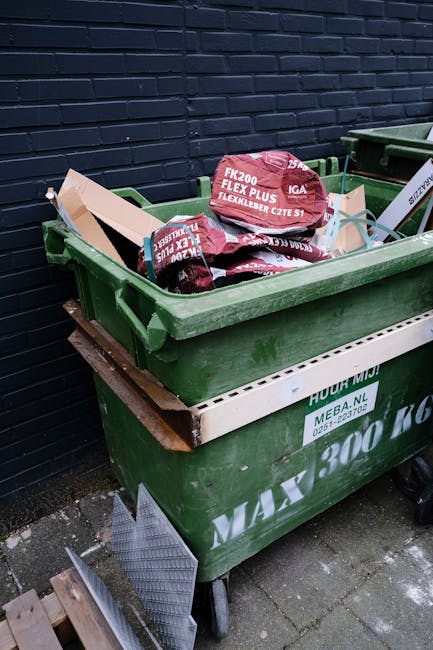
Bulky waste is not just "stuff you no longer want". It includes large household items such as sofas, wardrobes, tables, beds, mattresses, and other awkward pieces that are hard to move and even harder to clean around. In a dense London borough, the rules around bulky waste matter because shared access spaces are often tight, neighbours are close by, and the margin for error is small.
Cleaning matters for three reasons. First, hygiene: old furniture can carry dust, pet hair, odours, mould, food residue, or stains. Second, safety: lifting or dragging dirty items can spread debris, trip hazards, or even pests. Third, compliance and neighbour relations: leaving a mess in a communal hallway, on a pavement, or in a bin store can create complaints very quickly.
In practice, the "cleaning" part is often what people forget. They focus on collection day and then realise the item is shedding dust, the mattress has damp patches, or the sofa has left marks on the floor. That is exactly where sensible preparation saves time. It also reduces the chance of a rejected collection, which is annoyingly common when items are left out poorly.
Expert summary: treat bulky waste as a three-part job: clear the item, clean the route, and present it safely for removal. If you only do one of those, you usually end up doing the others later anyway.
For many homes, especially flats, the real issue is the route out, not the item itself. A clean staircase is easier to carry through than a dusty one with loose debris, and a protected floor is easier to keep presentable after the move. That sounds obvious, but in the rush of a move-out or renovation, obvious things are the first to go missing.
How Hammersmith and Fulham council rules for bulky waste cleaning Works
While exact council processes can change over time, bulky waste arrangements in London generally follow a similar pattern. You identify the item, check what type of collection or disposal is allowed, prepare the item properly, and place it out in the approved way. Where cleaning is needed, it should happen before the item is moved so that dirt and contamination do not spread through the property.
The basic workflow usually looks like this:
- Confirm whether the item counts as bulky waste.
- Check whether the item needs dismantling, bagging, wrapping, or surface cleaning.
- Remove loose debris, food traces, pet contamination, or surface grime.
- Protect floors, lifts, and communal areas if the item must pass through them.
- Arrange collection or disposal using the appropriate local process.
- Make sure the item is safely accessible and not blocking routes.
If you are dealing with upholstery, mattresses, or carpets that have heavy staining, a proper clean before disposal can make a real difference. It lowers the risk of smells and residue in the hall, van, or storage area. It also helps if the item is being handled by a removals team, cleaner, or building manager.
Where there is confusion, the safest assumption is simple: keep the item as clean, dry, and manageable as you can before moving it. If the item is wet, mouldy, or contaminated, do not just drag it through the building and hope for the best. That is how stains, odours, and complaints spread, quite literally.
For properties where the bulky item is part of a wider declutter or end-of-tenancy clean, support services such as carpet cleaning, sofa cleaning, and upholstery cleaning can help remove dirt before an item is moved out, so the rest of the home stays in better condition.
Key Benefits and Practical Advantages
Good bulky waste cleaning is not about being fussy. It is about making a practical job smoother and less stressful. When done properly, it saves time, reduces complaints, and keeps the property presentable. That matters if you live in a basement flat, a mansion block, or a building where everyone shares the same narrow corridor.
- Less mess during removal - Dust, crumbs, and loose fibres are less likely to spread.
- Lower odour risk - Wet or soiled items can be dealt with before they sit around and smell worse.
- Better access for handlers - Clean, prepped items are easier to grip and move.
- Reduced damage to floors and walls - You can protect surfaces more effectively if the item is already under control.
- Fewer disputes - Neighbours and building managers tend to be happier when shared areas are kept clean.
There is also a financial angle. If you are hiring help, pre-cleaning can reduce the time needed on site. If you are managing a tenancy, it can reduce the chance of a deduction, complaint, or follow-up visit. Not always, but often enough to be worth the effort.
One practical benefit people underestimate is confidence. Once the item is clean and ready, the whole process feels less chaotic. You are not second-guessing whether a hallway needs mopping again, or whether the item is going to leave a nasty trail. A small win, but a real one.
Who This Is For and When It Makes Sense
This topic is relevant to a lot of people, not just homeowners. In our experience, the most common users are renters moving out, landlords between tenancies, letting agents preparing a property, and households clearing space after redecorating or downsizing. If you have ever looked at a battered armchair and thought, "How is this even leaving the building?", you are in the right place.
It makes sense to focus on bulky waste cleaning when:
- an item is stained, dusty, damp, mouldy, or badly odorous;
- you need to move furniture through shared spaces;
- you are preparing for an inspection, sale, or end-of-tenancy handover;
- you want to avoid leaving residue in the hallway or outside your home;
- you are combining disposal with wider domestic cleaning.
For landlords and property managers, the issue is often consistency. One tenant leaves a mattress in decent shape; the next leaves one with a strong smell and visible marks. That is where a standard process helps. The cleaner the route and the clearer the plan, the less likely it is that things spiral into a last-minute scramble.
And yes, some items are worth cleaning even if they are being thrown away. A sofa with pet odour may still need to be moved to a collection point, but reducing the odour first is kinder to everyone involved. Nobody wants to load a van on a warm afternoon and discover the smell is, well, not subtle.
Step-by-Step Guidance
Here is a sensible way to handle bulky waste cleaning without making a meal of it.
- Identify the item. Is it a mattress, sofa, rug, cabinet, wardrobe, or mixed waste?
- Assess the condition. Check for stains, moisture, splinters, broken glass, nails, pests, or loose parts.
- Decide what needs cleaning. Surface dust is one thing. Pet contamination or mildew is another.
- Remove loose material. Vacuum, brush, shake out, or wipe down wherever appropriate.
- Spot-clean problem areas. Use the right method for the material and avoid saturating fabric or chipboard.
- Protect the route. Lay down sheets, cardboard, or protective coverings if the item will pass through a home or communal area.
- Break down large pieces. Remove legs, shelves, doors, or cushions if that makes the move safer.
- Bag or wrap waste from cleaning. Do not leave dirty wipes, dust, or loose debris behind.
- Move the item at the right time. Ideally just before collection, not a day too early.
- Check the area after removal. Sweep, vacuum, and wipe surfaces so nothing is left behind.
A small tip that helps more than people expect: clean the item and the route in the same session. If you clean one on Monday and move the item on Thursday, dust and dirt have a habit of returning. They always do, rather cheekily.
For soft furnishings, it can help to use specialist services before disposal or re-use. If a mattress has staining or odour, consider mattress cleaning first. If curtains, rugs, or other fabrics are involved in the same clear-out, services like curtain cleaning and rug cleaning may be useful too.
Expert Tips for Better Results
The biggest difference usually comes from preparation, not brute force. A few habits make the job easier straight away.
- Test a small hidden area first. Especially on fabrics, older finishes, and painted wood.
- Use dry cleaning methods where possible. Wetting old materials too much can create more problems than it solves.
- Work top to bottom. If you are cleaning a wardrobe or cabinet, clear the top surface before touching the base.
- Keep the item ventilated. If you clean upholstery, allow drying time before moving it.
- Separate recyclable parts. Metal legs, timber panels, and fabric components may need different handling.
- Think about lifting points. Clean handles, grips, and edges are safer than dusty ones.
For fabric items, a targeted stain treatment can make a surprising difference. A sofa with old drink marks or a carpet with pet staining does not need a heroic all-over soak. Often, smart spot treatment and extraction is enough. If stains are part of the bigger issue, stain removal can be a better first step than replacing the item immediately.
If the job relates to an office, short-let, or managed property, keep records of what was cleaned, what was removed, and what was left for collection. A quick note on your phone is fine. Nothing fancy. Just enough to avoid the classic "who was supposed to deal with that?" conversation later.
Common Mistakes to Avoid
Most bulky waste problems come from a handful of repeated mistakes. The good news is they are easy to avoid once you know them.
- Leaving items dirty and hoping for the best. Dust and odour do not magically disappear outside the door.
- Dragging items through communal spaces without protection. This is how scratched paintwork and dirty stair edges happen.
- Mixing general rubbish with bulky items. It makes sorting harder and can cause refusal or delays.
- Ignoring damp, mould, or pest contamination. These issues need extra care, not casual handling.
- Forgetting access checks. A sofa that fits the room may still fail in the hallway, lift, or turning space.
- Starting too early. If the item sits around, it collects dust again, and the job looks half-finished.
One common slip-up is assuming that a collection point is the same as a dumping point. It is not. Items should be placed in line with the relevant local process and without causing nuisance to others. If you are unsure, pause and check before you move anything heavy. A five-minute pause is better than a two-hour cleanup.
Another mistake is underestimating smell. In summer especially, a damp mattress or fabric chair can become unpleasant very quickly. If the item is likely to sit overnight, get it as clean and dry as possible first. That tiny bit of care can save a lot of embarrassment.
Tools, Resources and Recommendations
You do not need a van full of gear to do this well. A small, practical kit is often enough.
- vacuum cleaner with a brush attachment;
- microfibre cloths;
- neutral surface cleaner;
- gloves;
- dust sheets or cardboard for floor protection;
- spare bags for debris and cleaning waste;
- basic screwdriver or tool set for dismantling;
- mask if you are handling dusty or mould-affected items.
If the task is bigger than expected, it may be worth combining cleaning with one of the site's specialist domestic services, such as steam carpet cleaning for deep fibre refresh, sofa cleaning for fabric furniture, or pet stain odour removal where animal smells are part of the problem. For broader property upkeep, the recycling and sustainability information is also useful if you are trying to handle waste responsibly.
If you are comparing whether to clean, dispose, or refresh an item, ask yourself three things: Can it be cleaned safely? Can it be moved without damage? Is it actually worth keeping? That third question is the awkward one, but usually the most honest.
Law, Compliance, Standards, or Best Practice
When dealing with bulky waste in a London borough, the safest approach is to follow local collection rules, general waste duty-of-care principles, and building management requirements where they apply. You do not need to quote legislation in daily life, but you do need to avoid creating hazards, obstruction, or nuisance.
Good practice usually means:
- keeping items out of shared walkways unless the collection process allows otherwise;
- making sure waste is secure and does not leak, shed, or attract pests;
- separating reusable, recyclable, and residual materials where practical;
- avoiding fly-tipping or unauthorised placement of bulky items;
- protecting cleaners, movers, neighbours, and visitors from avoidable risk.
If you are a landlord or managing agent, you also have a practical duty to keep common parts tidy and accessible. That is not just about appearances. It is about fire safety, access, and neighbour relations. A blocked corridor with a broken wardrobe in it is nobody's idea of a good plan.
For private households, the best rule is even simpler: do not present a bulky item in a state that makes handling harder than necessary. If it is stained, damp, dusty, or partially dismantled, sort that out first. You will save effort, and likely avoid a complaint from someone who has to move it.
Options, Methods, or Comparison Table
There is no single best route for every bulky item. The right approach depends on condition, size, urgency, and whether the item is reusable.
| Method | Best for | Pros | Watch-outs |
|---|---|---|---|
| Basic wipe-down and move-out | Lightly soiled items | Quick, low cost, easy to organise | Not enough for odour, mould, or deep staining |
| Spot cleaning before removal | Sofas, chairs, mattresses, rugs | Reduces mess and smell, improves handling | Needs the right products and drying time |
| Full specialist clean before reuse | Quality items worth keeping or selling | Best appearance, better hygiene, longer life | More time and usually more cost |
| Dismantle and dispose in parts | Large wardrobes, shelving, flat-pack furniture | Easier access, safer lifting | Need tools and careful sorting |
If the item still has value, a proper clean may make reuse possible. If not, at least make it safe, tidy, and easy to remove. Truth be told, half the battle is simply getting the item to behave like an object instead of a nuisance.
Case Study or Real-World Example
Imagine a tenant moving out of a first-floor flat in Hammersmith. The property has a tired sofa with drink marks, a mattress with visible dust and a slight odour, and a small rug that has collected months of everyday grime near the doorway. The building has a narrow staircase and a shared entrance, so the removal route needs to stay clean.
Instead of dragging everything out at once, the tenant and landlord agree on a simple sequence. The sofa is vacuumed and treated for surface staining. The mattress is aired, cleaned, and bagged appropriately. The rug is brushed and vacuumed so it does not drop debris onto the stairs. Cardboard is laid down on the tightest part of the hallway. Then the items are moved out one by one, with a quick sweep afterwards.
The result? Less mess, no obvious odour in the common area, and no angry note on the lobby wall. Nothing glamorous. But a lot calmer. The difference is usually that the cleaning happened before the hauling, not after the damage.
In larger commercial settings, the same principle applies. An office clear-out might involve old chairs, stained rugs, and fabric partitions. Coordinating bulky waste with commercial carpet cleaning or upholstery cleaning can make the exit much smoother and keep the premises presentable for handover.
Practical Checklist
Use this before you move any bulky item.
- Identify the item and confirm it is suitable for collection or disposal.
- Check for stains, odours, dampness, mould, or pest signs.
- Vacuum, wipe, or spot-clean the item as needed.
- Dismantle large parts where safe and practical.
- Protect floors, walls, and communal areas.
- Bag loose debris and cleaning waste.
- Make sure the item is dry before moving if possible.
- Keep access routes clear.
- Place the item out only in the approved way.
- Clean the route afterwards.
If you tick all of those off, you are in good shape. If two or three are still missing, take a breath and finish them before collection day. It's worth the extra ten minutes.
Conclusion
Hammersmith and Fulham council rules for bulky waste cleaning are best understood as a common-sense system: keep items safe, keep shared spaces clean, and make disposal or collection as straightforward as possible. The cleaner and better prepared the item, the easier the whole process becomes. That is true whether you are a tenant with a single mattress, a landlord dealing with a full flat clear-out, or a family trying to reclaim a spare room after years of "we'll deal with that later".
The big takeaway is simple. Do not treat cleaning as an afterthought. Handle the item, the route, and the handover with the same care, and you will avoid most of the headaches people run into. And if you need help with fabrics, odours, stains, or anything awkwardly bulky, getting the right support early is usually the smartest move.
Get a free quote today and see how much you can save.
Frequently Asked Questions
What counts as bulky waste in Hammersmith and Fulham?
Bulky waste usually means large household items that are awkward to carry or dispose of as ordinary rubbish. Think sofas, beds, mattresses, wardrobes, tables, and similar items. If it needs two people, a route plan, or dismantling, it is probably bulky.
Do I need to clean a bulky item before collection?
Not every item needs deep cleaning, but it is wise to remove loose dirt, dust, and residue before moving it. If the item is stained, smelly, damp, or contaminated, cleaning first is strongly recommended. It makes handling safer and helps prevent nuisance.
Can I leave bulky waste in the hallway overnight?
Usually, that is a bad idea unless the property or collection arrangement specifically allows it. Hallways should stay clear and safe. Leaving furniture out overnight also increases the chance of complaints, damage, or the item getting dirty again.
What should I do with a mattress that smells or has stains?
Start by airing it out and removing surface debris. If the mattress still has strong odour or staining, a specialist clean can help before disposal or reuse. If it is beyond saving, make sure it is handled safely and not dragged through the building uncovered.
Are landlords responsible for bulky waste left by tenants?
Responsibility depends on the tenancy agreement and the exact circumstances. In practice, landlords and agents often have to manage the aftermath if an item is left behind. The best approach is to document the condition, communicate clearly, and arrange proper removal quickly.
How do I stop bulky waste from making a mess in shared areas?
Protect the route with dust sheets or cardboard, clean loose dirt before moving anything, and dismantle the item where possible. Move one piece at a time if needed. That sounds basic, but basic is what works when staircases are tight and walls are close.
Is it worth cleaning an old sofa before disposal?
Sometimes yes, sometimes no. If the sofa is being reused, sold, donated, or kept in the property until collection, a clean is worthwhile. If it is badly damaged or structurally finished, focus on making it safe and manageable rather than perfect.
What if the bulky item has mould or pest contamination?
That needs extra care. Avoid spreading spores, dust, or debris through the home. Wear gloves, keep the item contained, and do not over-handle it. In those cases, a careful professional approach is often the calmer option.
Can bulky waste cleaning help reduce odours in my flat?
Yes. Odours from old furniture, carpets, or mattresses can linger surprisingly long. Cleaning the item, the surrounding floor, and the removal route can make the home feel fresher straight away. It is one of those things you notice the moment you open the door.
Should I dismantle furniture before removing it?
If it can be done safely, yes. Dismantling often makes large items easier to carry, reduces damage risk, and helps them fit through narrow spaces. Just keep screws, brackets, and sharp edges controlled so nothing gets left behind.
What is the best first step if I am unsure about bulky waste rules?
Check the item's condition, assess the access route, and prepare the item so it is clean and safe to move. If the situation is complicated, ask for help rather than guessing. That saves a lot of time, and probably a bit of stress too.
Can fabric cleaning be combined with bulky waste removal?
Yes, and often that is the smartest approach. If your clear-out includes carpets, sofas, rugs, curtains, or mattresses, combining the job with relevant cleaning can leave the property much tidier. Services like carpet cleaning, rug cleaning, and curtain cleaning are especially useful when a move or refit is underway.
How do I avoid complaints from neighbours during bulky waste removal?
Keep the process short, tidy, and quiet where possible. Avoid blocking entrances, clear up debris straight away, and move items at a sensible time. A respectful approach goes a long way in shared London buildings. Small effort, big difference.
If you want to reduce mess, protect your property, and handle bulky waste cleaning the sensible way, plan the clean before the move, not after it. That one habit solves more problems than people expect, and it keeps the whole job far less stressful.