Cheap but safe upholstery cleaning options in Kensington
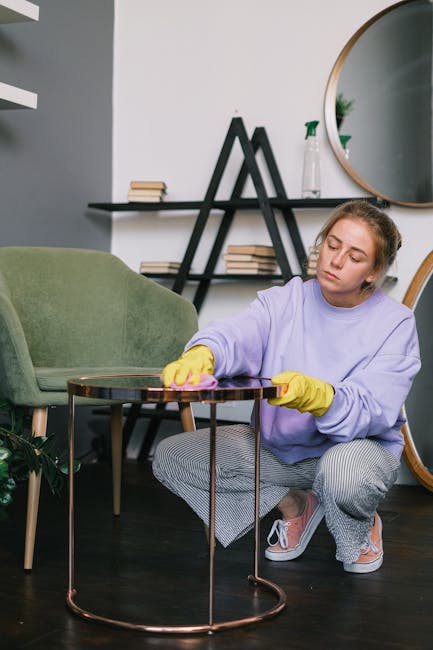
If you are looking for cheap but safe upholstery cleaning options in Kensington, you are probably trying to solve two problems at once: keep costs sensible and avoid damaging the furniture you already own. Fair enough. A sofa, armchair, or dining chair can look tired fast in a busy London home, especially with pets, children, or the usual daily coming and going. The good news is that affordable does not have to mean careless. With the right method, a little know-how, and a proper eye on fabric type, you can get upholstery cleaned safely without paying for unnecessary extras.
This guide breaks down what to look for, how the process works, where the real value is, and when a budget option is genuinely safe rather than just cheap. You will also find practical checks, common mistakes, and a straightforward comparison of methods so you can make a sensible choice for your home in Kensington.
Why Cheap but safe upholstery cleaning options in Kensington Matters
Upholstery gets overlooked until something makes it impossible to ignore: a coffee mark, a pet smell, dusty arms on a sofa, or that dull patch on a favourite chair. In Kensington, where flats can be compact and furniture often works hard, regular cleaning is not just about appearance. It helps preserve fabric, reduces lingering odours, and can slow down wear that makes a piece look older than it is.
The tricky part is that the cheapest option is not always the safest one. A bargain cleaner that uses too much moisture, the wrong chemical, or an aggressive brush can leave rings, shrinkage, faded colour, or a lingering damp smell. That is not a saving. That is a very expensive lesson, and nobody wants that in a room that already feels tight on space.
Safe cleaning matters even more when you have delicate fabrics, mixed materials, or furniture that sits close to windows where sunlight has already weakened the fibres a bit. Kensington homes often combine older properties, modern refurbishments, and furnished rentals, so one-size-fits-all advice rarely works. The best value comes from matching the method to the fabric and the stain, not just grabbing the lowest quote.
Practical takeaway: cheap cleaning is only good value when it removes dirt without creating a new problem. The safest low-cost option is usually the one that starts with a fabric check, sensible spot testing, and a method suited to the piece.
How Cheap but safe upholstery cleaning options in Kensington Works
At its simplest, upholstery cleaning follows a few stages: inspection, identification, pre-treatment, cleaning, extraction or wipe-down, and drying. The exact approach depends on the fabric and the condition of the item. That sounds straightforward, and sometimes it is. Other times, one cushion tells a completely different story from the rest of the sofa.
Professional upholstery cleaners typically begin by checking the fabric care label or testing a hidden area. This matters because cotton blends, synthetics, velvet, linen, microfibre, and leather all behave differently. A safe method might involve low-moisture cleaning, controlled steam, foam cleaning, or targeted stain treatment. The point is not to soak the fabric. The point is to lift soil while keeping the structure and colour intact.
For lower-cost jobs, the safest approach is usually one that avoids heavy restoration work unless it is genuinely needed. If the only issue is surface dust and everyday grime, a lighter treatment may be enough. If there is pet contamination, food staining, or oil-based marks, you may need something more specific. This is where good judgment saves money. Truth be told, the best cleaners often spend a little longer asking questions before they start. That is a good sign, not a delay.
Some providers also bundle upholstery work with related services such as sofa cleaning, curtain cleaning, or even rug cleaning. If several items need attention, a combined visit can sometimes reduce the total cost without cutting corners.
Key Benefits and Practical Advantages
The most obvious benefit is cost control. But the real value of cheap yet safe upholstery cleaning is broader than that. Done well, it helps you protect furniture life, maintain a more pleasant indoor environment, and avoid the replacement cost of a piece that still has years left in it.
- Sensible spend: you pay for the work you need, not unnecessary add-ons.
- Better appearance: upholstery looks fresher, brighter, and less flat.
- Odour reduction: useful for pets, spills, cooking smells, and general daily use.
- Fabric protection: low-risk methods can help preserve texture and colour.
- Home comfort: a cleaner sofa or chair makes the whole room feel more cared for.
- Longer furniture life: regular maintenance often delays replacement.
There is also a practical, day-to-day advantage that people do not always mention. Clean upholstery makes it easier to keep on top of the rest of the room. Dust does not cling as badly, crumbs are less noticeable, and the sofa stops acting like a visual magnet for every tiny mark. It is oddly satisfying. A small win, but still a win.
If you are comparing providers, look at what is included in the quote rather than the headline number alone. Sometimes a slightly higher price includes inspection, stain treatment, and quicker drying, which may actually be the cheaper option overall once you factor in inconvenience and repeat visits.
Who This Is For and When It Makes Sense
Cheap but safe upholstery cleaning options in Kensington make sense for a lot of people, but especially for households that want a tidy result without a premium price tag. If your furniture is presentable but not perfect, this is often the sweet spot.
It is a good fit if you:
- have a sofa or armchair with everyday dirt rather than severe damage
- live in a flat or house in Kensington and need practical, local service
- want to freshen up furniture before guests, tenants, or a property viewing
- have children, pets, or a busy home and need occasional maintenance
- are trying to prolong the life of mid-range furniture instead of replacing it
- need a cautious approach for delicate or older fabrics
It may not be the right choice if you:
- have structural damage, torn seams, or broken padding
- need specialist restoration for antique or highly valuable upholstery
- are dealing with serious contamination that needs more than routine cleaning
- expect a miracle on deeply set stains that have been there for years
Let's face it, not every mark is removable. Some stains have already settled in, and some fabrics have aged in ways that cleaning cannot reverse. A trustworthy cleaner will tell you that rather than promising a dramatic transformation. That honesty matters more than a flashy before-and-after claim.
Step-by-Step Guidance
If you want a safe, budget-conscious result, the process should feel clear from the start. Here is a sensible way to approach it.
- Identify the fabric. Check the care label, manufacturer notes, or visible texture. If you do not know the material, say so up front.
- Describe the problem clearly. Mention spills, pet odours, smoke, dust, food marks, or general dullness. Specific details help the cleaner choose the right method.
- Ask how they clean. A safe provider should explain whether they use low-moisture cleaning, foam, steam, or spot treatment. If the answer is vague, that is a small red flag.
- Request a realistic quote. The price should reflect the item type, access, fabric, and stain severity. A quote that sounds too neat and tidy may not include the important bits.
- Prepare the room. Move small items, clear the area around the furniture, and make access easier. In a Kensington flat, that can save time and reduce labour costs a bit.
- Allow for proper drying. Plan for ventilation and avoid sitting on the furniture too soon. Damp upholstery can pick up odours again if it is used before it is dry.
- Check the result in daylight. Artificial light can hide uneven drying or remaining marks. A quick look by a window usually tells the truth.
A small but important point: if the cleaner cannot explain their process in plain English, they may not be the right fit. Good service should feel calm and understandable, not mysterious.
Expert Tips for Better Results
Here is where a bit of practical experience makes a difference. Cheap does not have to mean basic, and safe does not have to mean overly cautious to the point of no results at all.
- Start with the least aggressive method. If a dry or low-moisture technique will do the job, there is no need to flood the fabric.
- Test before treating. Hidden areas matter. A small test can prevent colour loss or water marks.
- Be honest about stains. If there was wine, ink, grease, or pet urine, say so. Guessing helps nobody.
- Ask about drying time. Faster drying usually means less disruption and lower risk of lingering smells.
- Use maintenance cleaning regularly. Light, periodic cleaning is often cheaper than waiting until everything needs a deep rescue.
- Keep pets and shoes off freshly cleaned furniture. Obvious, yes, but people forget. Then the cat jumps up anyway. Typical.
Another useful tip: if your upholstery is part of a larger room refresh, consider cleaning other textiles at the same time. A fresh sofa next to dusty curtains can look a bit odd, almost like one half of the room got the memo and the other half did not. Matching the cleaning schedule makes the result feel more complete.
And if you are comparing quotes, look at the communication as much as the price. Clear advice, quick responses, and sensible questions usually point to a more careful service. Not always, but usually.
Common Mistakes to Avoid
Cheap upholstery cleaning goes wrong in fairly predictable ways. The good news is that most of them are avoidable.
- Choosing on price alone. The lowest price may leave out pre-treatment, protection, or proper drying.
- Ignoring fabric type. Velvet, linen, wool blends, and synthetic materials all need different handling.
- Using too much water. Over-wetting can lead to rings, odours, and slow drying.
- Scrubbing hard at stains. That often spreads the mark or roughs up the surface.
- Booking without asking questions. You should know what method is being used and why.
- Expecting every stain to vanish. Some marks can be lightened, not removed fully. That is normal.
A common local mistake is underestimating access. Kensington properties can include narrow staircases, shared hallways, basements, awkward parking, and tight entry points. If the cleaner is not prepared for that, the job can become rushed. A rushed job is rarely the safest job. Simple as that.
Tools, Resources and Recommendations
If you are taking a more hands-on approach, there are a few sensible tools and resources to think about. You do not need a van full of equipment. In fact, less is often more.
Useful tools and materials
- soft upholstery brush
- microfibre cloths
- white absorbent towels
- vacuum cleaner with upholstery attachment
- fabric-safe spot cleaner
- gloves for stain treatment
What to ask any cleaner before booking
- How do you treat delicate or mixed fabrics?
- Do you carry insurance and follow a safety policy?
- What is included in the quote?
- How long should drying take?
- Will you spot-test first?
- How do you handle pet odours or stubborn stains?
For service confidence, it is sensible to review pages such as upholstery cleaning, insurance and safety, and pricing and quotes. These help you judge whether the provider is transparent about process, cost, and protection. If you are comparing several options, that transparency is often the difference between a decent deal and a gamble.
For deeper fabric or stain issues, related services like stain removal, pet stain odour removal, and sofa cleaning may be worth checking too, depending on the item and the problem. Keep it targeted. That is how you stay affordable.
Law, Compliance, Standards, or Best Practice
For upholstery cleaning, the most relevant concerns are not usually legal drama, but sensible business practice and safety. A reputable provider should have insurance, use equipment appropriately, and be clear about how they protect people, property, and furnishings during the job. If a cleaner is coming into your home, that matters.
Good practice usually includes:
- testing cleaning solutions before broad application
- following fabric care instructions where available
- using appropriate ventilation and drying methods
- protecting floors and surrounding surfaces
- being honest about limitations and likely outcomes
- handling waste water and residue responsibly
If you are dealing with a landlord, letting agent, or end-of-tenancy situation, make sure the cleaning plan fits the condition of the item and any written requirements you may have. Not every job has strict compliance demands, but it is still wise to keep records of what was cleaned and when. That way, everyone knows what was done, and there is less room for awkward debate later.
You can also look at the provider's policy pages for added reassurance, including health and safety policy, terms and conditions, and payment and security. These do not replace common sense, of course, but they help show how a business handles risk, payments, and customer expectations.
Options, Methods, or Comparison Table
Not all upholstery cleaning methods suit every budget or fabric. This table gives you a quick way to compare the common options in plain language.
| Method | Best for | Pros | Watch-outs |
|---|---|---|---|
| Low-moisture cleaning | Everyday dirt, general refresh | Faster drying, lower risk of over-wetting, often cost-effective | May need extra stain work for heavier marks |
| Foam cleaning | Delicate fabrics and surface soil | Controlled application, useful where soaking is risky | May not suit deep contamination |
| Steam or hot-water extraction | Durable fabrics, deeper cleaning needs | Can lift embedded dirt well, strong refresh on robust textiles | Too much moisture can be a problem on delicate materials |
| Spot treatment only | Small marks, targeted issues | Cheaper and quick for minor problems | Does not refresh the whole item |
| Dry cleaning style methods | Fragile or sensitive upholstery | Gentler on certain fabrics, useful for careful maintenance | Can be more limited on stubborn grime |
If you are trying to keep costs down, the smart choice is usually the method that solves the actual problem without over-servicing the item. For example, a lightly marked dining chair may not need the same treatment as a family sofa that has seen years of weekend film nights and one or two unfortunate spills. Different job, different answer.
Case Study or Real-World Example
Here is a simple real-world example. A Kensington flat had a two-seater sofa, a footstool, and two upholstered dining chairs that looked generally fine but had accumulated a grey cast from daily use. There was also a faint pet odour on one cushion, nothing dramatic, but noticeable when the room was closed up overnight.
Instead of booking the most expensive deep-clean package, the owner described the fabric, the odour issue, and the fact that the sofa was used lightly during the day but heavily in the evenings. The cleaner recommended a low-moisture approach with targeted treatment on the odour area and a careful finish on the chair seats. That kept the price sensible, avoided unnecessary work, and the drying time stayed manageable. By the next day, the room smelled fresher and the furniture looked visibly brighter. No miracle. Just good matching of method to need.
The useful lesson here is that affordable cleaning works best when the job is scoped properly from the start. A short, honest conversation can save both time and money. That is not glamorous, but it works.
Practical Checklist
Before you book, run through this quick checklist. It is small, but it saves headaches.
- Do I know the fabric type or have a care label?
- Have I described every stain, smell, or damage point clearly?
- Has the provider explained the cleaning method in plain language?
- Did I ask whether a spot test will be done first?
- Is the quote clear about what is included?
- Have I checked insurance, safety, and payment details?
- Do I know the expected drying time?
- Have I prepared the room and access route?
- Will the method suit delicate or older upholstery?
- Am I comparing value, not just headline price?
If you can answer yes to most of those, you are probably in good shape. If not, pause and ask a few more questions. Better a two-minute delay than a damaged armchair.
Conclusion
Cheap but safe upholstery cleaning options in Kensington are absolutely possible, but the winning formula is thoughtful rather than flashy. Focus on fabric suitability, clear communication, sensible pricing, and a method that matches the condition of the furniture. That is how you keep costs down without creating avoidable problems.
If you remember nothing else, remember this: the cheapest quote is only cheap if the furniture survives the experience in good shape. A careful cleaner, a sensible method, and a realistic expectation usually deliver the best value. And sometimes, honestly, that fresh clean smell in the room is worth more than the number on the invoice.
Get a free quote today and see how much you can save.
Frequently Asked Questions
What is the safest low-cost way to clean upholstery in Kensington?
The safest low-cost approach is usually a method matched to the fabric, such as low-moisture or foam cleaning, with a spot test first. That keeps risk down while still giving a proper refresh.
How do I know if my upholstery needs professional cleaning or just a quick refresh?
If the item has visible staining, odours, flattened areas, or a dull overall look, professional cleaning is usually worthwhile. If it is only lightly dusty, regular vacuuming may be enough for now.
Is steam cleaning always safe for sofas and chairs?
No, not always. Steam or hot-water extraction can work well on some durable fabrics, but it may be too aggressive for delicate materials or older upholstery. Fabric type matters a lot.
Can cheap upholstery cleaning still remove pet smells?
Sometimes yes, especially if the smell is recent and the cleaner uses a targeted odour treatment. Deep-set pet odours can be more stubborn, so honest expectations are important.
How long does upholstery take to dry after cleaning?
Drying time varies by method, fabric, ventilation, and room temperature. Low-moisture methods usually dry faster, while wetter methods take longer. A cleaner should give you a realistic estimate.
What should I ask before booking an upholstery cleaner?
Ask about the cleaning method, fabric suitability, insurance, drying time, stain treatment, and exactly what is included in the quote. Clear answers are a very good sign.
Will cleaning damage delicate fabrics like velvet or linen?
It can if the wrong method is used. That is why a proper fabric check and test patch are so important. Delicate fabrics need a gentler touch and a cleaner who knows when to slow down.
Why do some quotes look cheap but end up costing more?
Some quotes leave out stain treatment, access issues, drying support, or travel time. The final bill can rise once those extras are added, so always check what is actually included.
Can I clean upholstery myself to save money?
For light dusting, vacuuming, and small fresh spills, yes, you can often handle basic maintenance yourself. For deeper stains or delicate fabric, professional cleaning is usually the safer call.
How often should upholstery be cleaned?
That depends on use. Busy family furniture or pet-friendly homes may need attention more often than a lightly used spare room chair. Regular maintenance is usually cheaper than waiting too long.
What is the biggest mistake people make with cheap upholstery cleaning?
Choosing purely on price and not checking the method. A very cheap service that over-wets the fabric or uses the wrong chemicals can cost more in repairs than a careful cleaning job would have.
How can I keep upholstery cleaner for longer after the visit?
Vacuum regularly, deal with spills quickly, rotate cushions where possible, and keep food and drinks away from high-risk areas. Small habits make a big difference, boring as that sounds.